Author: Sameer Ahuja

  • Daily Crunch: Apple says it earned $20.8B from 935M subscriptions last fiscal quarter

    To get a roundup of TechCrunch’s biggest and most important stories delivered to your inbox every day at 3 p.m. PST, subscribe here.
    Friday, cha cha cha! Fri-day! Cha cha cha! We’re doing a tiny, joyous, two-person conga line around our virtual Daily Crunch editorial Zoom meeting to celebrate the arrival of the first weekend in February. Yes, it looks ridiculous. No, we couldn’t care less even if we took every ounce we had and poured into less-caring.
    Couple of quick ones for startups: If you’re going to MWC, we want to hear from you, and we want your votes for the TechCrunch Early Stage fireside chats, breakout sessions and roundtable discussions!
    And for today’s Black History Month recommendation, we suggest Michelle Alexander’s The New Jim Crow. It’s an extraordinary read that, when it was published a decade ago, reignited the desire for criminal justice reform and is still as poignant and relevant today. — Christine and Haje
    The TechCrunch Top 3

    The Big Apple of subscriber bases: Apple may have missed its revenue target (see the Big Tech section) for its fiscal first quarter, but the consumer tech giant is poppin’ bottles and tootin’ horns after announcing it now has 935 million paid subscriptions across all of its offerings. Ivan has more.
    Who’s at the door?: Christine got the scoop on Jokr’s new funding round. The grocery delivery company secured around $50 million to give it a bump in valuation, up to $1.3 billion now. Jokr plans to use that funding to double down on its service in Brazil.
    A tall order for some shorts: YouTube’s persistence of getting everyone to watch shorts has paid off: Google says YouTube Shorts crossed 50 billion daily views, Ivan reports.

    Startups and VC
    TechCrunch Live is back, and Matt is thrilled to have hosted this conversation with Sameer Shariff, CEO and co-founder of Cambly, and Sarah Tavel, partner at Benchmark. During this hourlong event, you’ll hear how Cambly used a failed Series A fundraise to force the company into a cash-positive position. Of course, once the company didn’t need outside capital, it was suddenly available, and the company raised its next two rounds of funding.
    And we have five more for you:

    A second Nothing: Nothing’s second phone will take on the U.S. this year, reports Brian.
    Pumping the brakes: Rebecca reports that car-sharing SPAC Getaround lays off 10% of staff.
    Sendy takes the off-ramp: More job cuts loom as Sendy quits Nigeria, one of its four markets in Africa, Annie reports.
    A brighter future: SunFi aims to be the fastest way for Nigerians to find, finance and manage solar, Tage reports.
    Raising for Rebar robotics: Rebar robotics firm Toggle adds another $3 million to its fundraising tally, Brian reports.

    Pitch Deck Teardown: Laoshi’s $570K angel deck
    Image Credits: Laoshi (opens in a new window)
    The founders of Laoshi raised a $570,000 angel round to scale up their app, which helps users learn to read and write in Chinese.
    To help other very early-stage founders, they shared 15 slides from their deck:

    Cover slide
    Problem slide
    Market slide
    Solution slide
    Competition slide
    Road map slide
    Team slide
    Teacher growth slide
    Teacher retention slide
    Summary slide
    “Contact us” slide
    Appendices cover slide
     Appendix I: Viral effect slide
     Appendix II: Business model slide
     Appendix III: “The ask” slide

    Pitch Deck Teardown: Laoshi’s $570K angel deck

    Three more from the TC+ team:

    All about the Hryvnias, baby: Dmytro Bilash breaks down why it might be a good idea to invest in Ukrainian startups today.
    4 activist investors walk into a Salesforce: Can 4 activist investors play nice in the Salesforce sandbox? Ron asks.
    Well, that’s useful: Usage-based pricing is rising, but not replacing other models, by Anna.

    TechCrunch+ is our membership program that helps founders and startup teams get ahead of the pack. You can sign up here. Use code “DC” for a 15% discount on an annual subscription!
    Big Tech Inc.
    For all you “Seinfeld” fans out there, Amanda came upon this gem on Twitch, the “Nothing, Forever” AI ‘Seinfeld’ spoof, which she notes, “We’ve all seen far too many AI-generated gimmicks, but the AI isn’t what’s most interesting about “Nothing, Forever.” It’s the community that’s gathered around the stream, making the project feel like this generation’s “Twitch Plays Pokémon.” Enjoy!
    Our team was on earnings overload, and now we have a nice collection of insights from Ford, Apple and Amazon:

    Apple stock drops on rare earnings miss, by Brian and Natasha.
    Ford left ‘$2B of profits on the table’ in 2022, by Kirsten.
    Amazon ramped up content spending to $16.6B in 2022, by Lauren.
    AWS says growth dropped to mid-teens as customer cost-cutting continues, by Ron.

    Now here’s some non-earnings items for your Friday enjoyment:

    That is not chump change: Vodafone Idea was ordered by the Indian government to convert government dues into $2 billion equity, Manish reports.
    Cha-ching: Credit card companies in South Korea can now launch Apple Pay, Kate writes.
    Even more cha-ching: The U.S. Treasury signed off on more electric vehicle federal tax credits for Tesla, Ford and GM, Kirsten reports.
    SGN for NFTs: Jacquelyn reports some good news — that the NFT market is showing signs of recovery.
    Well, that didn’t last long: Twitter alternative Damus was pulled from Apple’s App Store in China. Rita has more on how that happened.

    Daily Crunch: Apple says it earned $20.8B from 935M subscriptions last fiscal quarter by Christine Hall originally published on TechCrunch

    Powered by WPeMatico

  • Voyager Space raises $80M as it continues development on private space station, Starlab

    Voyager Space, a company developing a private space station, has raised $80.2 million in new capital. The new funding comes as Voyager continues its development of the station, Starlab, which is no doubt an enormously capital-intensive undertaking.
    The funding includes participation from NewSpace Capital, Midway Venture Partners and Industrious Ventures, according to U.S. Securities and Exchange Commission filings and other documents viewed by TechCrunch. Seraphim Space also participated, TechCrunch has confirmed. The funding was filed with the SEC on January 27.
    In October 2021, Voyager announced it was developing “Starlab,” a completely private space station, in partnership with Nanoracks (which is majority owned by Voyager) and Lockheed Martin. The project, which is not the only private station currently under development, is in part in response to the impending retirement of the International Space Station by the end of the decade.
    NASA has already provided a large bulk of funding to Voyager, as well as two separate projects led by Blue Origin and Northrop Grumman. Starlab was awarded $160 million to further develop its plans under the agency’s Commercial low Earth orbit (LEO) Destinations program. In a recent report, NASA’s Office of Inspector General said that a habitable station in LEO was vital to conducting research needed to support human exploration missions to the moon and Mars.
    TechCrunch has reached out to Voyager Space for comment and will update the story if they respond.
    Voyager Space raises $80M as it continues development on private space station, Starlab by Aria Alamalhodaei originally published on TechCrunch

    Powered by WPeMatico

  • Venture funding has started flooding back in at least one area: Secondaries

    The venture secondaries market has been on the same roller-coaster ride as the broader VC market over the past few years, but it looks poised to break away in 2023.
    Like venture capital as a whole, the secondaries market was hot in 2021 as a bunch of new players — sound familiar? — entered the space as crossover investors and traditional VCs forayed into buying secondary stakes as a way to get into hot deals they couldn’t access primary shares in. As the market turned in 2022, secondary deals quieted to the same volume as their venture counterparts amid mismatched valuations and expectations.
    But while it’s unclear if the venture market has reached its bottom — some investors think it has, while others fear the worst is yet to come — secondary deals are breaking away. Data shows that transactions started to pick back up again in the second half of 2022, and multiple investors think 2023 could turn into a great year.
    Venture funding has started flooding back in at least one area: Secondaries by Rebecca Szkutak originally published on TechCrunch

    Powered by WPeMatico

  • New and Noteworthy: What I Read This Week—Edition 207

    New and Noteworthy: What I Read This Week—Edition 207

    Research of the Week
    No clear evidence that masks help against or prevent infection from respiratory illnesses.
    Archaeologists unearth a giant 7-foot sword along with an enormous burial site fit for a … giant?
    Status has deep roots.
    Insulin and peripheral neuropathy.
    The influence of kids on their parents.

    New Primal Kitchen Podcasts
    Primal Health Coach Radio: Jackie Fletcher
    Media, Schmedia
    Interesting thoughts on diet and the cause of obesity.
    Nice talk on sleep, ketosis, and satiety.
    Interesting Blog Posts
    The canine model of artificial general intelligence.
    How Steph Curry practices.
    Social Notes
    Gifted kids end up with less alcoholism, less divorce, and overall better “outcomes” except for more suicide.
    Wagyu and contrast.
    Everything Else
    Impressive lions who ruled their region with an iron paw.
    Young guys think they’re smarter than same age women, while older women think they’re smarter than same age men.
    Everything is circadian.
    Things I’m Up to and Interested In
    Great thread: Problems with “satiety per calorie.”
    Awkward: More beef, less depression.
    Interesting article: Early Alaskan warfare was brutal.
    Important findings: Neanderthals probably ate a LOT of elephant.
    Also important: Neanderthals were genetically resistant to pee and sweat odors.
    Question I’m Asking
    How have your kids influenced or changed you?
    Recipe Corner

    Soubise sauce.
    French onion chicken.

    Time Capsule
    One year ago (Jan 28 – Feb 3)

    What Are the Best Probiotic Strains?—Well, what are they?
    Why Am I Waking Up at 3am?—Why?

    Comment of the Week
    “Eggs are still pretty easy to find here but a curious thing has happened. The price of local, pastured eggs has not gone up much at all – 0-50 cents a dozen. But low quality factory eggs have skyrocketed. Eggs from the local factory farms are pushing 8 bucks a dozen while organic/pastured eggs are the $6 – $6.50 they have been the last several years. Not sure how to explain this. Maybe the more responsible producers are not having the disease issues that factory farms are seeing. Not affecting my near-daily egg consumption at all, especially since a couple of our ducks started laying due to the freakishly warm winter this year.“
    -Good point, Jerry. You may be right.

    (function($) {
    $(“#df7Bx1z”).load(“https://www.marksdailyapple.com/wp-admin/admin-ajax.php?action=dfads_ajax_load_ads&groups=674&limit=1&orderby=random&order=ASC&container_id=&container_html=none&container_class=&ad_html=div&ad_class=&callback_function=&return_javascript=0&_block_id=df7Bx1z” );
    })( jQuery );

    The post New and Noteworthy: What I Read This Week—Edition 207 appeared first on Mark’s Daily Apple.

    Powered by WPeMatico

  • What is Abdominal Bracing and How to Do It?

    What is Abdominal Bracing and How to Do It?

    When most people think about lifting weights, they think about their biceps, triceps, shoulders, and lats. Their legs, quads, hamstrings, glutes. They think about what to do with the body parts that move, that hold the weight, that push against the ground—but neglect to think about the abdominal muscles that brace, resist movement and allow you to even lift the weight in the first place. Abdominal bracing isn’t flashy or sexy, but it’s the most important part of lifting weights and moving your body through time and space. The best way to train your abdominal muscles are not sit ups, crunches, or leg lifts- it’s bracing, intra-abdominal bracing, or abdominal bracing.
    Whenever you move your body or lift a weight, you practice abdominal bracing. In fact, this bracing, this increase in intra-abdominal pressure, occurs spontaneously whenever you move your limbs.1 That’s how central it is to human movement.

    If you want to deadlift, squat, or overhead press, you brace. If you want to throw a punch or throw a ball, you brace. If you want to jump over on obstacle or dunk a basketball, you brace.
    Abdominal bracing allows force to transfer efficiently throughout your body so you can act on the physical world. If you don’t practice abdominal bracing, you lose energy, drop force production, and open yourself up to injury.
    Another reason to focus on and perfect abdominal bracing is that it’s a great “ab workout.” By fulfilling the primary function of the abdominal muscles—to stabilize the body in order to transmit force—you also give your entire abdominal complex the greatest workout ever. The heavier the weight or the faster the movement, the more bracing you require and the greater the training stimulus you’ve just applied. The better your abdominal bracing, the more force you can generate. The more force you generate, the more force your abs will have to resist. The more force your abs resist, the stronger your abdominal muscles—all of them—grow.
    Now, the thing about abdominal bracing is that we’re always doing it. It’s a subconscious autonomic response of your body to movement and lifting. Actually, it’s more than a response. It happens before the movement, almost as a forecast or prediction. The contraction of the diaphragm and tensing of the abdominal muscles occur before you actually move.
    How to Practice Proper Abdominal Bracing
    Stand up right now and try this out. The only way to understand abdominal bracing is to actually do it in practice.
    1. Prepare to take a punch.
    Imagine you’re about to take a punch. What do you do? You tighten your abs, engage your core, engage your erector spinae (back muscles that run down your spine), tighten your butt hole, and gird your loins. Apologies for the language but there’s no getting around it.
    2. Take a breath into your belly.
    Keeping your core engaged and tight in preparation for the “punch,” take a nasal breath into your belly. A big one. Now, the air won’t be going into your belly, but this is a great cure to really breathe with and engage your diaphragm.
    3. Breathe “downwards.”
    In case you don’t know, the diaphragm is a large slab of muscle that sits underneath your lungs, attaches to them, and “pulls” on them to expand and allow air in. The diaphragm pulls the lungs downward. In doing so, the diaphragm also helps compress the entire abdominal musculature and creates more intrabdominal pressure.
    You should feel everything tighten up even more.
    4. Expand your ribcage.
    Proper abdominal bracing means expanding your rib cage as the obliques contract and tighten.
    5. Push out, not inward.
    Imagine your abdominal musculature pressing out on all sides: against your ribs, your belt, your back. Sucking your abdominal muscles inward will compromise your position and make for suboptimal abdominal bracing.
    Tips for Abdominal Bracing
    Abdominals are not just the six pack
    You’ve got the classic abdominals that face forward and show prominently in people with low body fat. You’ve got the obliques, which cover the left and right sides of your torso. You’ve got the erector spinae, those large sheathes of muscle that run down your back on either side of your spine. They all matter when abdominal bracing. They all must be engaged.
    Think about a can of soda.
    A soda can has structural integrity. It’s a vertical column that can support weight without crumpling, but only if the top is closed and it’s full of liquid. That’s intra-abdominal pressure. That’s abdominal bracing. Once you open the top and pour out the soda, the can crumples and can bear no weight. Lifting or moving without abdominal bracing is like standing on an empty soda can.
    Maintain proper posture.
    Posture comes first. If your spine is not aligned, you’ll be resting on your skeleton rather than using your musculature to brace. Don’t be overly extended with your belly sticking out and your butt sticking out and a big hollow in the small of your back. That’s “tucking” the pelvis, and it’s a recipe for disaster. Aim for a “j-curve” spine: mostly straight back and pelvis with the “curve” coming from your glutes.
    Should you always practice abdominal bracing?
    If you’re dancing or playing with your kids or jumping or playing tennis, you probably don’t want or need to be consciously bracing the entire time. You also need fluidity and motion, and our bodies are usually very good at modulating the level of abdominal bracing depending on the movement we’re engaging in. Most of us can trust our bodies to handle the bracing we need for basic movements.
    However, this kind of conscious bracing becomes particularly important of heavy weight lifting—for movements where you’re “preparing” for a big effort. That could be a heavy set of deadlifts or squats, a max effort lift in competition (or just in the gym), or any situation where you know you’re going to be exerting a huge amount of force. If you’re going for a set of 5-10 heavy squats, you’ll want to consciously and proactively brace before lifting. Many people find that abdominal bracing improves their strength and performance in the gym, giving them a 5-15% boost in strength right away.
    Also, if you’ve been out of the game for a long time, or you have a history of tweaking your back or throwing it out during simple everyday activities like picking up a remote control off the ground, you might need to practice conscious abdominal bracing until it becomes second-nature. That would mean following the abdominal bracing steps up above whenever you go to move some furniture, empty the dishwasher, lift your kid up, or do any other activity that requires a stable spine (which is pretty much everything!).
    I’d love to hear from you. Do you practice conscious abdominal bracing? How has it helped you in your life—both in the gym and out of it?

    (function($) {
    $(“#dfcrvGm”).load(“https://www.marksdailyapple.com/wp-admin/admin-ajax.php?action=dfads_ajax_load_ads&groups=674&limit=1&orderby=random&order=ASC&container_id=&container_html=none&container_class=&ad_html=div&ad_class=&callback_function=&return_javascript=0&_block_id=dfcrvGm” );
    })( jQuery );

    References https://journals.physiology.org/doi/full/10.1152/jappl.2000.89.3.967
    The post What is Abdominal Bracing and How to Do It? appeared first on Mark’s Daily Apple.

    Powered by WPeMatico

  • What Is Cryotherapy And Should You Try It?

    What Is Cryotherapy And Should You Try It?

    Technically, “cryotherapy” refers to any method of using cold therapeutically. Icing a sprained ankle, freezing off a wart, or sitting in an ice bath after a game of Ultimate Frisbee are all forms of cryotherapy. Today, though, I’m using the term cryotherapy to refer specifically to whole-body and partial-body cryotherapy chambers.
    Cryotherapy chambers use electric cooling or liquid nitrogen to expose users to super-chilled air in order to achieve various (supposed) benefits. The technology dates back to the late 1970s, and it used to be pretty niche, reserved mostly for top-level athletes and people with specialized medical needs. Now, cryo centers have popped up all over the place, and you can easily book yourself an appointment for any old reason. 
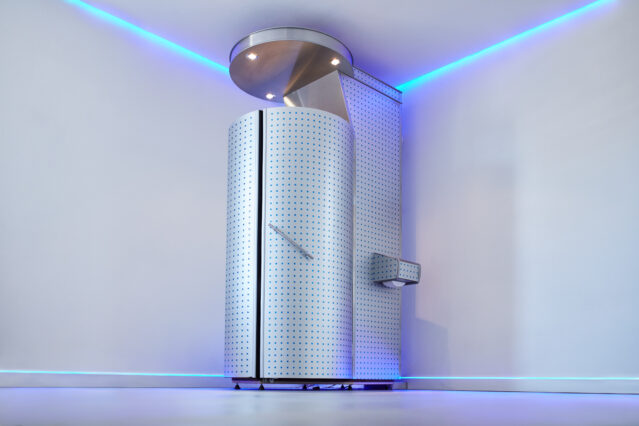
    Even if you’ve never visited one yourself, you can probably picture what I’m talking about here. A cryo chamber usually looks like a person-sized tin can that you stand up or lie down in, sort of reminiscent of polio-era iron lungs. You might go in with your entire body (whole-body cryo), or your head might stick out the top (partial-body cryo). Sometimes, though, a cryotherapy chamber is just a small room. The air inside isn’t just cold. It’s really, really cold, typically between -200 and -300 degrees Fahrenheit, or below -100 degrees Celsius. (You can also do targeted cryotherapy using a wand to blast a small area with cold air. I won’t be talking about that today because most research focuses on chambers.) 
    I’ve extolled the virtues of cold therapy before. Cold exposure is a simple and, I’d argue, adaptive way to fight inflammation, boost immunity, and build mental and physical fortitude. My modalities of choice are cold plunges and taking advantage of cold weather, but cryotherapy potentially offers many, maybe even all, of the same benefits. 
    The questions at hand today are whether cryotherapy chambers are worth trying and whether they offer anything special compared to other types of cold therapy.
    How Does Cryotherapy Work?
    When you go in for a cryotherapy session, you’ll strip down to only the bare essentials needed to protect your extremities and delicate bits (socks, shoes, or booties, gloves, underwear, and, if your head is in the chamber, ear covering and face mask). After a brief cool-down session, you step into the chamber. Due to the extreme temperature, the session will last only one to three minutes, never more than five minutes.
    When exposed to very cold stimuli, several important things happen in the body:

    Vasoconstriction, which pulls blood toward the core and improves blood oxygenation and subsequent delivery of oxygen to muscles.2 When applied to an injured area, this prevents blood from pooling at the site and helps prevent secondary injury. 
    Anti-inflammatory response, characterized by lower pro-inflammatory and higher anti-inflammatory markers.3 4
    Analgesic effects to reduce pain.
    Lowered oxidative stress.5
    Autonomic nervous system stimulation, or activation of the “rest-digest-repair” nervous system, as evidenced by changes in HRV and catecholamines (stress hormones).6 

    None of these is unique to cryotherapy chambers. Any type of cold exposure elicits these effects. In fact, there’s some evidence that icing and cold water immersion do it better.7 8 Cold air simply isn’t as good at thermal conduction as ice or cold water. 
    It’s also worth noting that it’s not clear how long these effects last. Inflammation may go down acutely, for example, but we don’t have long-term studies to show that cryotherapy reduces chronic inflammation (the kind that causes more widespread, long-term health damage). In a study in which ten women did cryotherapy three times per week for three months, researchers observed immediate reductions in HRV right after the cold exposure. However, the women’s baseline HRV did not change from the beginning to the end of the study, meaning that the autonomic response was acute but not long-lasting.9 
    Potential Cryotherapy Benefits
    As with all forms of cold therapy, proponents make big promises about all the things cryotherapy can do. Here are three benefits for which there is enough evidence worth mentioning. 
    Recovery and injury prevention
    The biggest reasons people seek out cryotherapy are for post-exercise recovery and treating sports-related injuries. 
    Overall, the studies in this area are mostly small and not always consistent, but most studies find that cryotherapy reduces pain and subjective fatigue following exercise.10 However, it doesn’t seem to attenuate muscle damage as measured by creatine kinase levels.11 Nor does it consistently improve performance.12
    Altogether, the evidence points to cryotherapy as being better for subjective recovery (how athletes feel) than objective markers of recovery. 
    Chronic pain reduction
    A 2020 review found that =whole-body cryotherapy is effective at reducing pain in patients with osteoarthritis, fibromyalgia, rheumatic diseases like rheumatoid arthritis and ankylosing spondylitis disease, and other types of chronic pain.13 The protocols in these studies varied but generally entailed one or two sessions per day several times per week for a number of weeks. 
    Improved sleep
    A handful of studies have found that cryotherapy improves sleep in athletes:

    7 professional male soccer players did cryotherapy or no cryotherapy (control) after a 90-minute training session. The men moved significantly less during sleep, a measure of sleep quality, following three minutes of cryotherapy. However, these same sleep improvements were not evident when they did only 90 seconds or two 90-second bouts with five minutes of rest in between.14
    22 young, fit men did a 55-minute run at 7 p.m., followed by three minutes of cryotherapy (at only -40 degrees) or three minutes of sitting quietly. Cryotherapy improved both subjective and objective sleep quality.15 Similar findings were reported with elite male and female basketball players.16
    10 female synchronized swimmers who were preparing for the Olympic trials did either three minutes of cryotherapy or no recovery (control) every day during two-week high-intensity training blocksy. Not only did the athletes sleep better following cryotherapy, but they also seemed to recover better from their workouts.17 

    Obviously these findings are limited to highly fit individuals, but it’s possible that cryotherapy might work the same way for the average person. 
    Cryotherapy Risks
    Given the extreme temperatures, it’s important that you follow basic safety protocols. Go to a reputable place, never go more than a few minutes, and follow all the instructions to a tee. Don’t do cryotherapy without talking to your doctor if you have a heart condition, circulatory issue, or are pregnant.
    The FDA put out a statement in 2016 letting everyone know that cryo is not FDA approved, for what it’s worth.18 
    Pros and Cons of Cryotherapy
    Given all this, here’s what I see as cryotherapy’s pros and cons.
    PROS:

    It’s quick. You only need to withstand a few minutes of extreme cold to reap the benefits.
    Although all cold therapy can be intimidating, I imagine that some folks will find the idea of a cryotherapy chamber easier than jumping into cold water. 
    Cryotherapy seems pretty safe. (Hyperthermia and frostbite are possible, though.)
    It looks cool. Let’s be honest, standing in a cryo chamber with the liquid nitrogen gas swirling around you feels futuristic and kinda badass. 

    CONS:

    It’s expensive compared to cold-water immersion, and there’s not good evidence that it’s any more effective. 
    Cryotherapy studies are mostly small, and the results aren’t always consistent, possibly because different researchers use different protocols. Although I highlighted some of the probable benefits above, some studies also find no effects. 
    Like any form of cold therapy, it’s not safe for everyone. 

    I wouldn’t discourage anyone from trying cryotherapy if they thought it might help them, but for now I’ll be sticking to my cold plunges. 
    I’m interested to hear about your experience with cryotherapy. Tell me in the comments if you used it and whether it helped. I’m especially interested to hear direct experiences comparing cold-water immersion to cryo chambers.
    Take care, everyone. 

    (function($) {
    $(“#dfwwBZa”).load(“https://www.marksdailyapple.com/wp-admin/admin-ajax.php?action=dfads_ajax_load_ads&groups=674&limit=1&orderby=random&order=ASC&container_id=&container_html=none&container_class=&ad_html=div&ad_class=&callback_function=&return_javascript=0&_block_id=dfwwBZa” );
    })( jQuery );

    References https://journals.physiology.org/doi/full/10.1152/jappl.2000.89.3.967https://pubmed.ncbi.nlm.nih.gov/25561577/ https://www.sciencedirect.com/science/article/abs/pii/S030645650800106X https://www.ncbi.nlm.nih.gov/pmc/articles/PMC3145670/ https://pubmed.ncbi.nlm.nih.gov/28028984/ https://www.ncbi.nlm.nih.gov/pmc/articles/PMC4411165/https://www.ncbi.nlm.nih.gov/pmc/articles/PMC3956737/https://pubmed.ncbi.nlm.nih.gov/28141620/ https://www.sciencedirect.com/science/article/abs/pii/S0306456506000313 https://www.frontiersin.org/articles/10.3389/fphys.2017.00258/full https://www.ncbi.nlm.nih.gov/pmc/articles/PMC3956737/ https://www.ncbi.nlm.nih.gov/pmc/articles/PMC3956737/ https://www.ncbi.nlm.nih.gov/pmc/articles/PMC8119547/ https://pubmed.ncbi.nlm.nih.gov/30876470/ https://pubmed.ncbi.nlm.nih.gov/30551730/ https://bjsm.bmj.com/content/48/7/572.1.short https://pubmed.ncbi.nlm.nih.gov/25314578/ https://www.fda.gov/consumers/consumer-updates/whole-body-cryotherapy-wbc-cool-trend-lacks-evidence-poses-risks
    The post What Is Cryotherapy And Should You Try It? appeared first on Mark’s Daily Apple.

    Powered by WPeMatico

  • New and Noteworthy: What I Read This Week—Edition 206

    New and Noteworthy: What I Read This Week—Edition 206

    Research of the Week
    Boron helps against COVID.
    Your fat cells know when you haven’t gotten sunlight. Don’t let them down.
    The gut biome regulates motivation for exercise.
    Worse indoor air quality, lower test scores.
    Mediterranean diets would work great for IBD if it weren’t for all those darn grains!

    New Primal Kitchen Podcasts
    Primal Kitchen Podcast: The Link Between Dairy Intolerance and Dairy Genes with Alexandre Family Farm Founders Blake and Stephanie
    Primal Health Coach Radio: Danika Brysha
    Media, Schmedia
    Contraband eggs.
    Not a great idea.
    Interesting Blog Posts
    Great piece on Chinese ancestry. Worth subscribing if you aren’t.
    Is long COVID caused by micro clots?
    Social Notes
    Pretty much.
    Why is East Asia less happy than you’d expect given their GDP?
    Everything Else
    Scientists figured out what made Roman concrete so strong.
    You can talk to the Bible now.
    Things I’m Up to and Interested In
    Great find: A boy and his wolf.
    A huge missing piece to the environmental debate: People are underestimating how many herbivores this world once hosted.
    Interesting article: The longevity secrets of ant queens.
    Important findings: Top discoveries about ancient people from 2022.
    Interesting story: When pastoral agriculturalists met Baltic hunter-gatherers.
    Question I’m Asking
    Are you still able to find eggs? How has it affected your diet?
    Recipe Corner

    Italian sausage breakfast casserole: Genius.
    Stir fried eggplant. Make sure to swap out the “vegetable oil” for something better like avocado oil, and increase the pork.

    Time Capsule
    One year ago (Jan 21 – Jan 27)

    All About the Liver, and How to Support Your Favorite Detoxification Organ—How to keep it going.
    How to Stop Drinking Coffee, and Why You Should Consider It—Maybe.

    Comment of the Week
    “Mark, the government websites state Linoleic acid, LA, is highly oxidative to our LDL portion of cholesterol.
    Do you have data to the contrary?
    Seed oils have been the scourge of our creation. Atherosclerosis skyrocketed after the creation of Crisco.
    Do you have a contrary position?”
    -No, I do not.

    (function($) {
    $(“#dfX9pxa”).load(“https://www.marksdailyapple.com/wp-admin/admin-ajax.php?action=dfads_ajax_load_ads&groups=674&limit=1&orderby=random&order=ASC&container_id=&container_html=none&container_class=&ad_html=div&ad_class=&callback_function=&return_javascript=0&_block_id=dfX9pxa” );
    })( jQuery );

    The post New and Noteworthy: What I Read This Week—Edition 206 appeared first on Mark’s Daily Apple.

    Powered by WPeMatico

  • How do Potatoes Fit in a Primal Diet?

    How do Potatoes Fit in a Primal Diet?

    Potatoes get a bad rap in many different health and diet communities. The keto and low-carb crowd says they’re too high in carbohydrates and will spike your blood sugar. The paleo guys are against them because they are neolithic foods from the New World that our Paleolithic ancestors had no access to. The autoimmune diet communities eschew them because they have various plant toxins that can cause inflammation and trigger sensitive and vulnerable individuals, and the conventional “healthy diet” people recommend against potatoes because they’re “empty white carbs.”
    Is this criticism warranted? Is it true that potatoes have no place in a healthy diet, or are potatoes actually healthy? How do potatoes fit into a Primal diet?
    Let’s dig into the actual evidence.

    Potatoes are healthier than you think
    Potatoes are actually healthier than you’ve been led to believe. Think about what a potato is: it’s a repository of nutrients for growing many new potatoes. It’s an egg. And just like eggs are among the most nutrient dense animal foods on earth, the basic potato is one of the most nutrient dense vegetable foods on earth. In a single large baked potato weighing about 10 ounces, plain, you get a broad assortment of vitamins, minerals, protein, and prebiotic fiber.
    Potatoes are high in vitamins and minerals
    Here’s the breakdown. Percentages refer to the proportion of the daily recommended intake for each nutrient.

    16% of B1 (thiamine)
    11% of B2 (riboflavin)
    26% of B3 (niacin)
    22% of B5 (pantothenic acid)
    55% of B6 (pyridoxine)
    21% of folate
    32% of vitamin C
    39% of copper
    40% of iron
    20% of magnesium
    28% of manganese
    34% of potassium
    10% of zinc
    6.6 grams of prebiotic fiber
    7.5 grams of protein

    All that for 278 calories and 56 grams of “net” carbs.
    Potatoes are rich in potassium
    Dietary potassium/sodium ratio is a crucial determinant of endothelial function and blood pressure regulation, most likely more important than sodium alone, and there’s decent evidence that potatoes are a great way to improve potassium status. Potassium from potatoes is as bioavailable as potassium from supplements.19 In fact, adding potatoes to the diet can be more effective at lowering blood pressure than adding an equivalent amount of straight potassium.20
    Potatoes are higher in fiber and lower in carbs than you realize
    Potatoes have the reputation for being a “refined carbohydrate” that “spikes” your blood sugar. They’re supposed to be very high in carbs. That’s true—potatoes are a rich source of starch. But the starch in potatoes is a little different than other starch sources. Going back to that figure up above, of the 56 grams of carbs in a large baked potato, 11 grams will be resistant starch—a prebiotic substrate that feeds your gut biome, produces butyric acid, and is not digested by your body into glucose.21 That resistant starch content goes even higher if you refrigerate your cooked potatoes.
    In addition to resistant starch (which acts like prebiotic fiber), potatoes have a significant amount of fiber.
    A recent study in type 2 diabetics compared the metabolic effects of an evening meal containing potatoes to an evening meal containing rice. Whether the potatoes were boiled, roasted, or boiled and then refrigerated before consumption, the potato meals elicited a more favorable effect on blood glucose than the rice meal in type 2 diabetes. Same number of calories, same macros (50 carb/30 fat/20 protein), the only difference was potato versus rice. Potatoes won handily, and in type 2 diabetics—the very population that isn’t supposed to be able to handle potatoes.22
    However, potatoes only won compared to rice. Potatoes are still high in carbohydrates, and type 2 diabetics, people with insulin resistance, and anyone who has trouble handling carbs should exercise caution with potatoes.
    Potatoes are very filling
    A 1995 study testing the “satiety index”—a measurement of how filling a particular food is—found that boiled potatoes induced the most satiety of all the foods tested.23 Even if potatoes have too many carbs for your liking, they’re less likely than other foods to promote overeating—probably due to the water content, fiber content, and micronutrient density.
    Note: plain potatoes are filling. If you throw a half stick of butter into your baked potato or sit down in front of a plate of French fries, they’re not so filling. You can eat far more carbs and calories from French fries that you can from boiled potatoes.
    Potatoes have complete protein
    While the absolute amount of protein in a potato isn’t very high compared to animal products, what protein it does contain is “complete protein.” That means it contains all the essential amino acids your body needs and cannot produce on its own. In fact, potato protein is probably the most complete plant form of protein.
    Potatoes are low in plant toxins
    Potatoes, being the reproductive organs of potato plants, have “passive” defenses against predators. They are stem tubers. They can’t run or bare teeth, so they chill underground to stay safe and employ toxic chemical defenders known as glycoalkaloids.
    The glycoalkaloids most prevalent in potatoes are alpha-solanine and alpha-chocanine, which the plants use to repel pests. Most of the glycoalkaloids are luckily concentrated in the skin of the potato, forcing less refined pests to eat through the toxic stuff to get to the good stuff. This is probably why traditional potato-eating cultures peel the potatoes they eat. These days, the most common potatoes, like Russets, also tend to have the lowest amount of glycoalkaloids. This is no accident, instead being the product of generations of careful agricultural selection by farmers. Throughout history, then, humans have tended to avoid the bulk of potato glycoalkaloids, either unwittingly, by peeling potato skins, or by selecting the low-glycoalkaloid varieties that didn’t provoke stomachaches, digestive issues, or inflammation and sold well at the market.
    But some glycoalkaloids remain. Are they harmful? High dose glycoalkaloids are clearly harmful, but most peeled normal potatoes do not contain high doses of glycoalkaloids. Most studies showing harm used supra-physiological doses of pure glycoalkaloids; one of the only studies to show harm using physiological doses that you’d normally get from eating potatoes used intestinally permeable rats with a genetic proclivity toward inflammatory bowel disease.24 This is a useful study, though, because it tells us that potatoes might be a danger for humans with leaky guts or existing inflammatory bowel disease.
    To ensure you’re avoiding glycoalkaloids, always throw out or discard (or plant) potatoes that have begun to turn green or sprout. That signals an increase in glycoalkaloid content.
    There are a couple older studies showing increased inflammation markers upon potato feeding, but one included wheat and other high-glycemic foods in the “potato group” (not just potatoes) and the other used potato chips.2526 Was it the rancid seed oil the chips were fried in, or the potatoes? Was it the wheat bread or the potatoes? These tell us very little about the effects of whole, untarnished potatoes on inflammation.
    But if you’re healthy with good gut health and function, I don’t think baked, boiled, or mashed potatoes will have a negative impact on your gut. In fact, the prebiotic effects of potato resistant starch and fiber may even have a beneficial effect on gut health.
    Can you eat potatoes on keto?
    Classic medical ketogenic diets force you to eliminate potatoes. They simply represent too large a bolus of carbs when your mental and physical health depends on you remaining in ketosis. If you’re more of a casual keto or low-carb dieter, there are instances where a potato can work.
    Training: If you incur a “glycogen debt” through intense exercise, you can fill that debt using potatoes without inhibiting ketosis. Exercise up regulates insulin-independent glycogen repletion, so you don’t even need insulin to deposit the glucose into your muscles. High end athletes will often be in ketosis on a regular basis despite eating high carb diets, simply because they train so hard and so often.
    Carb refeed: A carb refeed describes the use of intermittent high-carb, low-fat meals to “carb up” against a backdrop of low-carb dieting in order to boost leptin and increase energy expenditure. in many instances, this will kickstart weight loss and make your otherwise low-carb diet easier to stick to and more effective in the long run. If you’re going to do a carb refeed, potatoes are an excellent, nutrient-dense food to use.
    Potatoes can be an effective short term weight loss “hack”
    Way back in the day, people in the MDA forums and comment sections were doing “potato hacks” to lose weight. I’m no fan of hacks, but I have to admit that this one really does work for some people. How does it work?
    For a period of 4-7 days, you eat nothing but potatoes.

    Eat potatoes. Nothing else. White potatoes, not sweet potatoes.
    Use vinegar, hot sauce, mustard, and other low-calorie, low-fat, low-carb sauces and condiments. Mayo and EVOO are off limits. Primal Kitchen ketchup and mustard are perfect.
    Use minimal fat to heat or cook your potatoes. No more than a teaspoon of fat at each meal.
    Salt liberally.
    Eat until full.
    Eat frequently. Whenever you’re hungry, eat potatoes until you’re not.
    Keep exercising. This will minimize muscle loss.

    Most people find they get tired of potatoes very quickly and end up losing 5-10 pounds over the course of the week. It becomes an exercise in trying to force oneself to eat as much as you can because the potato is so filling and you need to keep up your energy intake and nutrient status. 4-6 pounds of potatoes a day is pretty typical and provides ample levels of most nutrients (and even a decent amount of protein), but that’s hard to keep up. And therein lies the power of the potato hack: you simply can’t eat very many plain potatoes.
    Even though I’m generally biased toward lower carb intakes—especially in overweight people with poor insulin sensitivity—I have to admit that if people ate potatoes instead of refined grains and other nutrient-deficient starchy carbohydrates, health would improve across the board. Potatoes are simply one of the safest, most nutrient-dense, and least toxic sources of carbohydrates available.
    I hope this article helped you make sense of where potatoes belong in a healthy Primal diet. Take care, and let me know whether you like to eat potatoes or not!

    (function($) {
    $(“#dfjArJi”).load(“https://www.marksdailyapple.com/wp-admin/admin-ajax.php?action=dfads_ajax_load_ads&groups=674&limit=1&orderby=random&order=ASC&container_id=&container_html=none&container_class=&ad_html=div&ad_class=&callback_function=&return_javascript=0&_block_id=dfjArJi” );
    })( jQuery );

    References https://journals.physiology.org/doi/full/10.1152/jappl.2000.89.3.967https://pubmed.ncbi.nlm.nih.gov/25561577/ https://www.sciencedirect.com/science/article/abs/pii/S030645650800106X https://www.ncbi.nlm.nih.gov/pmc/articles/PMC3145670/ https://pubmed.ncbi.nlm.nih.gov/28028984/ https://www.ncbi.nlm.nih.gov/pmc/articles/PMC4411165/https://www.ncbi.nlm.nih.gov/pmc/articles/PMC3956737/https://pubmed.ncbi.nlm.nih.gov/28141620/ https://www.sciencedirect.com/science/article/abs/pii/S0306456506000313 https://www.frontiersin.org/articles/10.3389/fphys.2017.00258/full https://www.ncbi.nlm.nih.gov/pmc/articles/PMC3956737/ https://www.ncbi.nlm.nih.gov/pmc/articles/PMC3956737/ https://www.ncbi.nlm.nih.gov/pmc/articles/PMC8119547/ https://pubmed.ncbi.nlm.nih.gov/30876470/ https://pubmed.ncbi.nlm.nih.gov/30551730/ https://bjsm.bmj.com/content/48/7/572.1.short https://pubmed.ncbi.nlm.nih.gov/25314578/ https://www.fda.gov/consumers/consumer-updates/whole-body-cryotherapy-wbc-cool-trend-lacks-evidence-poses-riskshttps://pubmed.ncbi.nlm.nih.gov/27413123/https://pubmed.ncbi.nlm.nih.gov/34064968/https://www.eurekalert.org/news-releases/560070https://pubmed.ncbi.nlm.nih.gov/33069511/https://pubmed.ncbi.nlm.nih.gov/7498104/ncbi.nlm.nih.gov/pubmed/12479649ncbi.nlm.nih.gov/pubmed/18469276ncbi.nlm.nih.gov/pubmed/19158207
    The post How do Potatoes Fit in a Primal Diet? appeared first on Mark’s Daily Apple.

    Powered by WPeMatico

  • What Does Fiber Do, And Do You Need More?

    What Does Fiber Do, And Do You Need More?

    The health world is fixated on fiber, constantly telling us how important fiber is and how we should all be eating more of it. Back in the day, our cultural obsession with fiber was all about being “regular.” You had to load up on fiber to keep things moving, so to speak. Nothing was more important. So we started our days with bland, tooth-cracking breakfast cereal that tasted like tree bark and sparked no joy. But hey, it was loaded with fiber and therefore good for us, right? 
    I’ve long been skeptical of that particular story, mostly because every major health agency that recommends higher fiber intake also says that we should get much of that fiber from whole grains. And you know how I feel about that. If whole grains aren’t essential (or even healthy, if you ask me), then how could the fiber they provide be essential? It doesn’t add up. 
    Now, though, as we learn ever more about the emerging science of the microbiome, the fiber story is starting to shift. It’s become less about pushing “roughage” through our colons to create bulkier, more impressive bowel movements (although some people still promote this supposed benefit). Certain types of fiber, it turns out, are essentially food for the microbes living in our guts. 
    The health (and composition) of the gut flora helps determine the health of the human host (that’s you). It’s not clear what exactly constitutes “healthy gut flora,” and we’re still teasing out exactly how it affects the various physiological functions, but we know we need them and we know they need to eat something to even have a chance at helping us. Not all fiber is created equal in this respect. 
    Thus, when it comes to fiber, it’s important to understand what it does, what you want it to do, and what types are likely to be helpful or harmful. 
    Understanding the Types of Dietary Fiber
    The tricky thing about fiber is it’s not a monolith. There are dozens of varieties. Some of them perform similar functions in the body, but others have extremely unique effects. We can’t talk about fiber without understanding that the word describes a variety of compounds, and this leads to a lot of confusion. People make blanket statements that might be true for some types of fibers and incorrect for others. 
    Broadly speaking, fiber is any plant component that we eat but do not metabolize directly. Since we can’t digest these materials, they pass through our small intestine without being broken down and absorbed—which means they make it to the lower reaches of the GI tract more or less intact. And this is important for reasons we’ll discuss shortly. 
    There are various ways of classifying the different types of fiber, the most common one being insoluble versus soluble fiber. Insoluble fiber is a bulking agent, increasing the mass of the stool, which actually moves the stool more quickly through the intestines. Except for perhaps relieving constipation (“perhaps” because it doesn’t work for everyone and may even have the opposite effect), I’m unconvinced that insoluble fiber has much to offer in terms of health benefits. 
    Soluble fiber, on the other hand, is interesting. Soluble fiber can absorb water, which enhances the thickness of the stomach’s contents. This slows stomach emptying, which can give the body more time to absorb nutrients. More importantly, most types of soluble fiber are fermentable by gut microbes (psyllium and methylcellulose are exceptions). In other words, they act as food for the trillions of microorganisms that inhabit your GI tract, especially in your colon. Insoluble fiber doesn’t ferment very well, so it does little to support your gut bugs.
    Fermentable fibers are also called prebiotic fibers, a term you’re probably familiar with, or microbiota-accessible carbohydrates (aka MACs). There are lots of different types of soluble, fermentable fibers including

    Fructo-oligosaccharides
    Galacto-oligosaccharides
    Pectins
    Inulin
    Beta-glucan
    Gums (such as xanthan gum, carrageenan, guar gum)
    Type IV resistant starch

    Each has a unique effect on the composition of your microbiome, promoting some beneficial species while suppressing others. 
    When gut microbes ferment these types of fibers, they produce a variety of end products, or postbiotics. These include certain vitamins and neurotransmitters and, notably, short-chain fatty acids (SCFAs) like butyrate, propionate, and acetate. SCFAs, it turns out, do all sorts of interesting things in the body. Many of the benefits attributed to “fiber” are probably more accurately characterized as benefits due to the effects of SCFAs.
    What Are the Benefits of Fiber Consumption?
    The biggest benefit of fiber, based on what we know now, is that fermentable fiber in particular supports a healthy and diverse microbiome. It’s difficult to name a physiological function or health parameter that is not impacted by the gut microbiome, including but not limited to digestive,27 cognitive and neurological,28 29 immune,30 psychological,31 metabolic,32 and liver33 health.  
    By feeding and bolstering the populations of “good bacteria,” we reduce the amount of available real estate for “bad bacteria” to set up shop. Beyond that, the SCFAs that are byproducts of fiber fermentation, including butyrate, propionate, and acetate, improve our health in many ways. I’ve covered the health benefits of prebiotics and postbiotics in depth in other posts, and many, if not most, of those can be chalked up to SCFAs. 
    Butyrate in particular has been shown to have beneficial effects on insulin sensitivity34 and inflammation,35 both of which contribute to all manner of modern, non-communicable disease. It’s also the preferred fuel source for our native colonic cells. Basically, without enough butyrate (and, by extension, fermentable prebiotic fiber to make it), our colons don’t work as well as they should. This can lead to digestive impairments and perhaps even cancer. Mucin-degrading bacteria predominate in colorectal cancer patients,36 for example, while butyrate-producing bacteria rule the roost in healthy patients without cancer. Populations with lower rates of colorectal cancer also tend to have higher levels of butyrate.37 Propionate is helpful, too, though not to the extent of butyrate.38
    Ok, But What About Poop?
    But fiber does help with, ahem, performance in the bathroom, right? 
    This one’s a mixed bag. A recent meta-analysis concluded that while increasing insoluble dietary fiber does increase the frequency of bowel movements, it does nothing for stool consistency, treatment success, laxative use, and painful defecation.39 So it will make you poop more often, sure, but if you’re experiencing pain, each bowel movement is still going to hurt, and you’re still going to need laxatives to do it. Galacto-oligosaccharides, guar gum, and inulin, all prebiotic fibers, also appear to improve constipation.40 41 42 However, other research finds that stopping or dialing back dietary fiber intake reduces constipation.43
    Folks with gastrointestinal disorders like IBS and IBD that can cause constipation or diarrhea should proceed with caution, as the evidence for fiber’s benefits is inconsistent in these populations.44 One survey of Crohn’s patients found that those eating more fiber (23 grams/day) had fewer flare-ups than those eating less (10 grams/day), while colitis patients reported no difference in symptoms based on fiber intake. On the other hand, studies indicate that a low-FODMAP diet, which eliminates most sources of fiber, especially fermentable prebiotic fiber, is an effective treatment for IBS and IBD.45 46  Low-FODMAP diets have been shown to reduce bloating, abdominal pain, quality of life, and overall symptoms in intestinal disorders.47
    How Much Fiber Do You Need?
    The official recommendations from the Institute of Medicine are 25 grams per day for women under 50 and 38 grams per day for men under 50 (21 grams and 30 grams, respectively, once you enter your sixth decade). The USDA says you should aim for 14 grams of fiber for every 1,000 calories you consume.
    However, I have a real problem with those recommendations because they lump all types of fiber together. They make no distinction between the types that serve only to create impressive poops and those that your gut microbes can ferment. It’s all just “fiber” according to these guys. But fiber isn’t fiber isn’t fiber.
    And we can’t ignore the elephant in the room: the loud chorus coming from the direction of the carnivore movement proclaiming that dietary fiber is largely or wholly unnecessary. I’m open to the possibility that a properly constructed carnivorous diet (which may, remember, include gristly animal fiber) obviates the need for plant fiber, prebiotic or otherwise. We don’t have strong data to support that claim yet, but it might be true. A person’s microbiome composition shifts in response to dietary changes.48 It’s possible that people who eat lots of plants need lots of fiber to feed the microbes that are there because they eat a lot of plants. And people who eat mostly meat have a microbiome tailored to a low-plant diet; thus, they don’t need a lot of plant fiber to thrive. Like begets like, as it were. 
    That’s possible. The problem is that most humans throughout history and prehistory probably consumed diets that by today’s standards would be considered very high-fiber, perhaps averaging 100 grams or more of fiber per day. Coprolite (read: ancient fossilized stool) studies indicate that our ancestors may have consumed a significant amount of prebiotics.49 That means our bodies have come to expect the metabolites that gut bacteria produce by fermenting that fiber. We can get butyrate from collagen and gelatin, but is it enough?50 51 I’m not sure. 
    How to Increase Fiber Consumption and Stay Primal
    Let’s say you want to experiment with increasing your fiber consumption, perhaps as an experiment to see how it will affect gut health and digestion. You certainly don’t need to increase your grain intake to do so. As you’d expect, I explicitly do not recommend you do that. 
    Setting aside the obvious downsides of grain consumption, whole or otherwise, grains contain predominantly insoluble, non-fermentable fiber (oats being the notable exception). The better way to increase your consumption of soluble, fermentable fiber is to eat plenty of vegetables, the more variety the better. You can throw in some legumes if they’re part of your repertoire (watch your total carb intake), but it’s not necessary. Top it off with some fermented dairy like full-fat kefir or yogurt. That provides galacto-oligosaccharides plus beneficial probiotics to further seed the microbiome. 
    Especially if you have digestive issues, constipation, or chronic diarrhea, go slowly and pay attention to how fiber affects your symptoms. Allow time for your gut flora to adjust to the new food source. Expect flatulence.
    Bottom Line
    As you can see, the fiber story isn’t simple. At all. While I don’t think all the pro-fiber furor stands up to scrutiny, I’m also not ready to write it off as immaterial to human health. Heck, the only food that’s actually expressly “designed” to feed humans—breast milk—contains prebiotic compounds whose main purpose is to feed and cultivate healthy gut flora in infants, which suggests that the need for prebiotics is innate.52 
    Overall, because the health of our gut community is inextricably tied to the health of our minds and bodies, I think attaining fermentable fiber through the fruits and vegetables we eat is important. Do I think everyone should be supplementing with prebiotic fiber? No. I add inulin to my Primal Fuel protein powder, mostly to improve mouth-feel but also to feed beneficial microbes and increase butyrate production. Sometimes I use raw potato starch for its considerable resistant starch content, often just mixing it into sparkling water and drinking it straight. 
    But for the most part, the fiber I eat is incidental to the foods I consume. Berries, non-starchy vegetables, jicama, garlic, onions, mushrooms, green bananas, nuts and seeds—these are all foods rich in fiber, particularly prebiotic fiber. If you’re eating varied and diverse Primal foods, your bases are probably adequately covered when it comes to fiber too. 
    What do you think, folks? How has fiber helped or harmed you? I’d love to hear from everyone.
    Take care and be well.

    (function($) {
    $(“#df6VPGW”).load(“https://www.marksdailyapple.com/wp-admin/admin-ajax.php?action=dfads_ajax_load_ads&groups=674&limit=1&orderby=random&order=ASC&container_id=&container_html=none&container_class=&ad_html=div&ad_class=&callback_function=&return_javascript=0&_block_id=df6VPGW” );
    })( jQuery );

    References https://journals.physiology.org/doi/full/10.1152/jappl.2000.89.3.967https://pubmed.ncbi.nlm.nih.gov/25561577/ https://www.sciencedirect.com/science/article/abs/pii/S030645650800106X https://www.ncbi.nlm.nih.gov/pmc/articles/PMC3145670/ https://pubmed.ncbi.nlm.nih.gov/28028984/ https://www.ncbi.nlm.nih.gov/pmc/articles/PMC4411165/https://www.ncbi.nlm.nih.gov/pmc/articles/PMC3956737/https://pubmed.ncbi.nlm.nih.gov/28141620/ https://www.sciencedirect.com/science/article/abs/pii/S0306456506000313 https://www.frontiersin.org/articles/10.3389/fphys.2017.00258/full https://www.ncbi.nlm.nih.gov/pmc/articles/PMC3956737/ https://www.ncbi.nlm.nih.gov/pmc/articles/PMC3956737/ https://www.ncbi.nlm.nih.gov/pmc/articles/PMC8119547/ https://pubmed.ncbi.nlm.nih.gov/30876470/ https://pubmed.ncbi.nlm.nih.gov/30551730/ https://bjsm.bmj.com/content/48/7/572.1.short https://pubmed.ncbi.nlm.nih.gov/25314578/ https://www.fda.gov/consumers/consumer-updates/whole-body-cryotherapy-wbc-cool-trend-lacks-evidence-poses-riskshttps://pubmed.ncbi.nlm.nih.gov/27413123/https://pubmed.ncbi.nlm.nih.gov/34064968/https://www.eurekalert.org/news-releases/560070https://pubmed.ncbi.nlm.nih.gov/33069511/https://pubmed.ncbi.nlm.nih.gov/7498104/ncbi.nlm.nih.gov/pubmed/12479649ncbi.nlm.nih.gov/pubmed/18469276ncbi.nlm.nih.gov/pubmed/19158207https://www.ncbi.nlm.nih.gov/pmc/articles/PMC3551212/ https://www.ncbi.nlm.nih.gov/pmc/articles/PMC4875553/ https://pubmed.ncbi.nlm.nih.gov/23910373/ https://pubmed.ncbi.nlm.nih.gov/23298474/ https://pubmed.ncbi.nlm.nih.gov/23910373/ https://www.ncbi.nlm.nih.gov/pmc/articles/PMC3756109/ https://pubmed.ncbi.nlm.nih.gov/23463489/ https://www.ncbi.nlm.nih.gov/pmc/articles/PMC2699871/ https://www.ncbi.nlm.nih.gov/pmc/articles/PMC6213552/ https://www.ncbi.nlm.nih.gov/pmc/articles/PMC3735522/ https://www.ncbi.nlm.nih.gov/pmc/articles/PMC3683814/https://pubmed.ncbi.nlm.nih.gov/21521227/https://www.ncbi.nlm.nih.gov/pmc/articles/PMC3544045/ https://pubmed.ncbi.nlm.nih.gov/28262216/ https://pubmed.ncbi.nlm.nih.gov/7965214/ https://pubmed.ncbi.nlm.nih.gov/27492975/ https://www.ncbi.nlm.nih.gov/pmc/articles/PMC3435786/ https://www.cghjournal.org/article/S1542-3565(16)30147-1/fulltext https://pubmed.ncbi.nlm.nih.gov/25982757/ https://pubmed.ncbi.nlm.nih.gov/26914438/ https://pubmed.ncbi.nlm.nih.gov/28566897/ https://www.ncbi.nlm.nih.gov/pmc/articles/PMC3957428 https://pubmed.ncbi.nlm.nih.gov/20416127/ https://www.ncbi.nlm.nih.gov/pmc/articles/PMC8401164/ https://www.ncbi.nlm.nih.gov/pmc/articles/PMC4005082/ https://pubmed.ncbi.nlm.nih.gov/23434179/
    The post What Does Fiber Do, And Do You Need More? appeared first on Mark’s Daily Apple.

    Powered by WPeMatico

  • New and Noteworthy: What I Read This Week—Edition 205

    New and Noteworthy: What I Read This Week—Edition 205

    Research of the Week
    NAC protects against COVID infection.
    Donating blood might be one way to lessen the risk of Parkinson’s.
    The effects of cousin marriage bans in the US.
    Is impulsivity ever adaptive?
    Heart rate during competition predicts athletic success.
    Muscles control liver circadian rhythm.

    New Primal Kitchen Podcasts
    Primal Kitchen Podcast: The Link Between Dairy Intolerance and Dairy Genes with Alexandre Family Farm Founders Blake and Stephanie
    Primal Health Coach Radio: The Truth about Vitamin E with Dr. Barrie Tan
    Media, Schmedia
    A hypothesis about fairy circles.
    Not a great idea.
    Interesting Blog Posts
    When you need high dose biotin.
    On ancestral diets, hydration, and salt.
    Reading bubbles.
    Social Notes
    Something new is coming.
    “But animal fat is making you fat!”
    Everything Else
    Suicides increased when kids went back to in-person school.
    Disguising solar panels as ancient Roman tiles.
    Things I’m Up to and Interested In
    Interesting podcast: Regarding PUFA and child neurological development.
    One of my favorite studies: Two eggs a day keeps the short stature away.
    Interesting tool: “Google search” for the contents of books.
    Of course: Animal foods are very important for sustainable and healthy diets.
    Bronze Age Spanish island diet: Meat and vegetables.
    Question I’m Asking
    How’s the new year going so far?
    Recipe Corner

    Great way to eat more mushrooms (and shrimp).
    Homemade salt-packed anchovies.

    Time Capsule
    One year ago (Jan 1 – Jan 20)

    10 Productivity Hacks That Really Work—What are they?
    Dear Mark: Should Teens Take Creatine—Probably.

    Comment of the Week
    “What doesn’t kill you makes you stronger.“
    -Pretty good heuristic from Jerry.

    (function($) {
    $(“#dfp1j6Z”).load(“https://www.marksdailyapple.com/wp-admin/admin-ajax.php?action=dfads_ajax_load_ads&groups=674&limit=1&orderby=random&order=ASC&container_id=&container_html=none&container_class=&ad_html=div&ad_class=&callback_function=&return_javascript=0&_block_id=dfp1j6Z” );
    })( jQuery );

    The post New and Noteworthy: What I Read This Week—Edition 205 appeared first on Mark’s Daily Apple.

    Powered by WPeMatico