Cuts to post-Brexit farming payments mean farms risk “going out of business” as new figures reveal only a tiny fraction of slashed EU subsidies went to agriculture businesses last year.
The government is replacing the EU’s Common Agricultural Policy (CAP), which paid subsidies to farmers to keep them in business, with “payments for public goods”, meaning land managers get paid for improving nature.
Each year, ministers are cutting how much farmers get paid under the old scheme while they introduce new ones, which last year commenced with the launch of the sustainable farming incentive (SFI). This paid farmers for looking after their soil.
While subsidies were cut by an average of 22% for farmers last year, only 0.44% of the promised budget was spent on SFI, leaving farmers asking where the money is going. This year, the cuts are set to be even more stark, with the government planning to slash payments by 36%.
Data revealed under the Freedom of Information Act from the Rural Payments Agency shows that a total of £10,692,415 was paid out under the sustainable farming incentive scheme in the 2022 calendar year. This is out of a budget of £2.4bn, meaning only 0.44% was spent on the new schemes.
Farmers have said they are noticing an underspend, with money missing from the rural community. Jake Fiennes, a conservationist who manages a large farm on the Holkham Estate, Norfolk, saw the farm’s subsidies cut by about 45% last year.
“In the last financial year, there was an underspend of about £100m. It looks like this is to be the case again. Our direct support has been reduced and we want to know where that money is going,” he said.
Dither and delay over introducing the new payment programme, including threats from the Liz Truss government that they would scrap it altogether, meant that many farmers have not signed up.
“These figures show that the Conservatives have broken their promise to farmers to keep farm funding at CAP levels,” said Tim Farron, the Liberal Democrat environment spokesperson. “They have rushed to cut basic payments and failed to deliver the new schemes on time.
“This will lead to farmers going out of business, which means that we will fail to deliver vital environmental goals.”
He added: “It’s hard to know if this is incompetence or deliberate betrayal of our rural communities, but they amount to the same thing.”
A Defra spokesperson said: “As direct payments are phased out, we are reinvesting the full £2.4bn into the farming sector each year throughout this parliament, through SFI, our other environmental land management schemes, and one-off grants. A small degree of underspend in 2021/22 has been made available for schemes in 2022/23.
“We are now accelerating and expanding our payment offer so that there’s something on offer for every farmer. We launched the Sustainable Farming Incentive in 2022 – more than 2,000 farmers are already part of the scheme and we expect this number to continue to rise over the coming months.”
Read more:
Farmers received less than 0.5% of post-Brexit money last year
Author: adler
-

Farmers received less than 0.5% of post-Brexit money last year
-

NatWest poised to report biggest profits since 2008 financial crisis
NatWest is set to reveal its largest annual profit since the 2008 financial crisis amid speculation that the taxpayer-backed bank will ramp up the size of its bonus pool just as consumers struggle with the cost of living crisis.
The banking group, which is still 45% state-owned, is expected to report £5.1bn in pre-tax profits for 2022 when it reveals annual results on Friday, according to City analysts.
Under its chief executive, Alison Rose, NatWest has made progress on repairing its reputation since being bailed out during the 2008 financial crisis, when it was known as Royal Bank of Scotland Group. However, a further increase in its bonus pool, which rose 44% to £298m last year, is likely to renew controversy while many people struggle with soaring living costs, given the large government stake.
A series of interest rate hikes by the Bank of England, compounded by Liz Truss’s disastrous mini-budget in September, have led UK lenders to drastically increase borrowing costs on mortgages and loans.
While Rose and the chief executives of Britain’s other big high street banks have denied shortchanging savers by failing to increase interest rates on savings accounts at the same pace as the rise in the Bank base rate, analysts said rising income from interest charges would boost annual profits.
Analyst forecasts point to a 32% jump in NatWest’s net interest income – the difference between what the bank charges for loans and what it pays in interest on deposits – to £9.9bn for 2022, up from £7.5bn a year earlier.
Last week, Rose played down the role that higher interest charges would have in her own bonus, telling MPs on the Treasury select committee that while profits were considered, “we would not be able to meet performance [targets] by … net interest margin”.
With the taxpayer stake in NatWest still worth more than £10bn, the rise in profits is likely to trigger speculation over whether the government will sell more of a stake in an effort to claw back some of the losses on the £45bn bailout of RBS in 2008. The Sunday Times said a rise in profits could help Rose announce plans to buy back shares from the government next month.
NatWest is also expected to have put aside £434m for the year to cushion the blow of potential defaults by customers as the cost of living crisis heaps pressure on households and businesses.
Barclays, which will be the first UK bank to report its 2022 earnings on Wednesday, is expected to have taken a £1.2bn charge for a potential surge in bad debts. This is on top of £1.6bn for legal and misconduct charges after a trading blunder led to the sale of US securities that Barclays had not been authorised to sell.
Together, the charges are expected to offset a 20% rise in total income, resulting in profits of £7.2bn for 2022, down from £8.4bn a year earlier.
Money put aside for potential defaults is also expected to weigh on Lloyds Banking Group, where profits for 2022 are expected to stay flat at about £6.9bn. That is despite expectations for the UK’s largest mortgage lender to report a near 40% jump in net interest income to £13bn.
Lloyds will report its full-year results on 22 February, a day after HSBC, which makes the bulk of its profits in Asia and is expected to report a 7% drop to $17.5bn (£14.5bn), down from $18.9bn in 2021.
John Cronin, a financial analyst at the stockbroker Goodbody, said higher interest rates would provide “tailwinds” for Britain’s biggest banks. “However … we will see the sector book significantly higher provision charges for the fourth quarter relative to the first three quarters of 2022 in anticipation of rising loan losses through 2023,” he said.
That was despite the fact that banks continued to report minimal signs of stress on their loans books, Cronin added.
Read more:
NatWest poised to report biggest profits since 2008 financial crisis -

Rising costs and consumer woes blight business outlook
Businesses remain pessimistic about the outlook for the economy after a sharp decline in output last month prompted many to scrap any hiring plans they had.
For the fourth month in a row, BDO’s optimism index was stuck in negative territory with a reading of 91.88 in January, slightly worse than the 91.89 recorded in December. Anything below 95 is considered negative.
Reflecting the jump in borrowing costs, the probability of a recession, tumbling consumer confidence and rampant inflation in the past year, optimism among British businesses has declined rapidly. In January 2022, BDO’s optimism reading was close to 105.
Although the economy narrowly avoided entering a technical recession at the end of last year, Jeremy Hunt, the chancellor, has warned that Britain is “not out of the woods yet”.
Companies in the services sector, including retailers, restaurants and accountants, were especially downbeat in January, although after nine months of declines optimism among manufacturers improved amid signs that cost inflation is starting to ease.
Inflation retreated again in January, largely because of falling energy prices, and now stands at its lowest point since last spring, although “inflationary pressures remain historically elevated”.
BDO’s survey chimes with official data. Inflation looks to have peaked in October at 11.1 per cent and had fallen to 10.5 per cent by the end of December. The Bank of England expects inflation to be as low as 4 per cent by the end of the year after a fall in natural gas prices.
BDO, an accounting firm, noted a “sharp decline” in the number of goods and services that British companies sold in January, with its output reading sliding almost 3.5 points to 89.15. It was the second month in a row that the index was below the 95 threshold for growth. It blamed the cost of living for weakening consumer spending.
Business owners have responded by scaling back their expansion plans, with BDO’s employment index, which measures hiring intentions, dropping to its lowest level since the end of 2021.
It was the third time in six months that BDO had seen all four of its measures — optimism, output, inflation and employment — fall at the same time.
“A net decline across the optimism, output and employment indices, coupled with historically high levels of inflation, suggests the outlook still remains bleak for businesses,” Ed Dwan, a partner at BDO, said.
Wishlist for the budget
There are four “non-negotiables” that the chancellor must address in next month’s budget, according to the British Chambers of Commerce. The business lobby group has called on Jeremy Hunt to unlock talent by making childcare more affordable and it also wants to see the business rates system reformed further. It is pushing for a new framework for Solvency II rules on regulatory requirements to encourage more investment into “green innovation”, as well as extra funding to help companies to improve their energy efficiency.
Read more:
Rising costs and consumer woes blight business outlook -
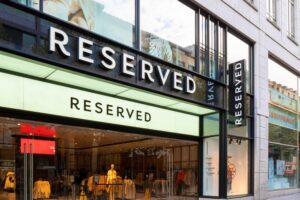
Reserved signs set to go up across high street
When it opened its main London outlet on Oxford Street in central London in 2017, Reserved hinted that further expansion plans would follow.
Six years on, the Polish fast-fashion retailer is about to turn those suggestions into something more concrete.
The flagship brand of LLP, the Polish clothing group, is gearing up to open several new shops in London — and a further 400 stores throughout Europe — by the end of the year.
Reserved, which sells women’s, men’s and children’s apparel, will open stores in the Westfield Stratford and Brent Cross shopping centres in the capital. It is also in talks about sites in cities including Manchester, Liverpool, Leeds and Newcastle.
“We have lots of experience from our store on Oxford Street and believe that . . . we can fill the gap in the market right now, especially while many other companies are closing their stores,” Przemyslaw Lutkiewicz, chief financial officer at LLP, said. “We hope we can fill that Topshop-shaped hole on the high street.”
Reserved, founded in 1999, is part of the Warsaw-listed LLP Group, which claims to be the biggest clothing manufacturer in central and eastern Europe. LLP has almost 2,000 stores worldwide, including more than 460 under the Reserved fascia in 40 markets.
Reserved, which promoted Kate Moss, the model, as the face of the brand, opened its first shop on Oxford Street in the former BHS store and said then that it was looking for more sites. Little happened, however, until last year it appointed Dan Hildyard, a retail property consultant, to advise on further store openings in Britain. The retailer has already revealed that it will open another store at 70/88 Oxford Street, its second location in the UK, this year.
Lutkiewicz, 52, said Reserved’s plans had been pushed back because of the pandemic and rising costs since Russia’s invasion of Ukraine, but the latter factor had now spurred the business on to push into more western markets. He argued that it was “quite easy” to enter the British market right now: “Many big retailers have had to scale back their businesses,” he said. “There have been lots of nice properties, lots of nice locations to take over right now.”
He said that though the British economy was struggling, it would start to grow soon. “The market is so big for us that even having a small portion of it will be beneficial for our company,” he said.
Read more:
Reserved signs set to go up across high street -

Companies desperate to recruit skilled workers push up salaries
The economy may be heading for recession and the jobs market is showing signs of cooling, but employers are still struggling to find enough workers, which is likely to push up salaries again this year.
More than half of British businesses expect to raise pay again in 2023 to “stay competitive”, according to the Chartered Institute of Personnel and Development.
The expectation among employers is that pay will rise, on average, by another 5 per cent in 2023, according to the institute’s latest quarterly employment report. There has not been a higher pay rise forecast since the CIPD, a professional body for human resources workers, launched its first report in 2012.
“Skills and labour remain scarce in the face of a labour market that continues to be surprisingly buoyant, given the economic backdrop of rising inflation and the associated cost of living crisis,” Jon Boys, the institute’s senior labour economist, said.
While it is predicted that private sector workers will get a 5 per cent rise this year, public sector workers are expected to receive an increase of 2 per cent, the institute said, which would be likely to add to tensions between unions and employers and would raise concerns that more strike action could be on the way.
The survey, which took in responses from more than 2,000 companies, suggested that bigger pay rises could be on the way for some staff, especially those in “hard-to-fill” roles. Seven in ten companies wanted to hire new staff over the next three months, although nearly 60 per cent noted that the workers they were looking for were proving hard to find.
To address that issue, half of businesses have sought to improve the skills of existing staff, while a third have chosen to increase employees’ duties. To make a job seem more appealing to applicants, 43 per cent of companies increased the pay they were offering.
A long gap on someone’s CV used to be a red flag to employers, but Boys said many were “recognising the potential to attract certain groups to fill vacancies”, including those who had been out of work because of caring commitments or health conditions. More than a third of respondents planned to make such hires over the next three years, compared with 29 per cent who said they had done so in the past three years.
Read more:
Companies desperate to recruit skilled workers push up salaries -

Cost of living blamed for jump in credit card fraud
Credit card companies last year had to deal with more fraudulent applications than ever before as people tried to get hold of more money to cope with the soaring cost of living.
In particular, banks had reported a jump in “first-party fraud”, Experian said. The number of people lying in their applications to try to borrow more than they could afford or intended to pay back had more than doubled over the past two years, the credit-checking group said. That accounted for a quarter of fraudulent applications and Eduardo Castro, of Experian, said: “It suggests that households are misrepresenting their financial situation to meet additional costs, or even to cover everyday expenditure.”
Fraudsters trying to open accounts using other people’s names and details remained the most common form of credit card fraud, Experian said.
The number of fraudulent credit card applications rose by 18 per cent in the final three months of last year compared with the previous quarter.
Of the applications that credit card companies received in 2022, 0.65 per cent were deemed fraudulent, Experian’s data showed, the highest percentage for a decade.
“Our latest figures show the scale of the fraud epidemic facing consumers and financial services companies,” Castro said. “It’s an evolving battle, with fraudsters always looking at new ways to dupe victims. Lenders are deploying new technology to help to identify potentially fraudulent activity as early as possible, preventing it and minimising losses to them and their customers.”
Read more:
Cost of living blamed for jump in credit card fraud -

Krishen Iyer shares why customer-first approach is essential
What does the national retailer Big Lots have to do with longtime insurance professional Krishen Iyer? More than you’d think!
The quick answer is that both have taken the opportunity to take deep looks at their mission, their products, their processes and operations, and their audience, and have concluded the customer always has to come first.
Of course, every business out there should be thinking about the people who choose to spend their hard-earned money with them and make sure things are always as easy as possible for them to do so. Even B2B companies should make sure to keep this end goal in mind for their clients.
But as we know, not every business does this well or consistently. Some have older processes that aren’t efficient, some somehow treat customers poorly due to poor training or poor communications channels, some focus more on coming up with interesting products or processes regardless of marketability or usefulness, and some simply lose sight of a customer-focused goal with so many other metrics and messages to manage.
Krishen Iyer, owner of MAIS Insurance & Consulting, has worked in the insurance sector for more than 20 years. He’s worked at all levels, from providing insurance products directly to customers to giving advice to insurance professionals on ways their agencies and brokerages can better market themselves and see success with their customers.
His company, based in Carlsbad, also offers clients assistance with all sorts of useful tools to improve contracting and distribution, as well as technology solutions.
“The goal of our MAIS team is always to identify contracting and marketing strategy issues that need solutions,” Krishen Iyer said. “This requires being consistent while being flexible, especially in changing customer landscapes.”
Comparing retailers and insurance
Krishen Iyer has found that the essential focus on customers is comparable in both organizations, especially when it goes beyond a philosophy or general mission statement that anyone can come up with.
His view has come from years of working with clients and helping them solve their problems. It also has come from keeping an eye on the marketplace and seeing what customers are needing in their lives.
A similar approach was advocated by Amy Nelson, who is the vice president of customer relationship, management, loyalty, and analytics for Big Lots. She shared the company’s focus on customers as a key part of its brand identity at a recent marketing technology conference.
She described how company officials even created a road map of the customer experience, which starts with making sure customers are included at every touch point and then makes sure all staff and all technology move in the correct direction of customer satisfaction.
This approach works at the national level as well as the level of the individual store. It can withstand changes in leadership as well as changes in products and operations.
Amy Nelson said this approach helped Big Lots stay flexible and pivot well when market forces and customer preferences changed due to COVID. It also helped them gather customer data well but also be able to keep customer privacy in mind.
Big Lots successfully blended its marketing analysis and customer marketing functions, which gave the company access to better data, a better understanding of it, and a better ability to apply the data into multiple settings that have the greatest benefit across the board in the organization. Everybody wins.
Krishen Iyer’s approach
Krishen Iyer has also been an advocate of connecting customers with the best insurance products to benefit their lives for all of his professional career. He also enjoys being able to advise his industry peers about how they can do the same thing.
One area he’s particularly excited about is being able to help people sign up for insurance, especially those who may not have thought they could qualify or afford it.
MAIS Insurance & Consulting recently announced it has secured funding to offer low-cost insurance in 23 states through the Affordable Care Act.
This will allow customers and insurance professionals to begin having conversations about what type of insurance options they can take part in. It will bring more customers to the table who may have thought they didn’t have the funds for insurance or anything they had wouldn’t be adequate coverage for themselves or for their families.
Krishen Iyer will provide his clients with more details about a variety of options. He’ll also make sure clients clearly understand the application and enrollment process as well as all sorts of online tools and resources, so they can better help their customers. Everyone wins here too!
He’s currently looking for a second round of funding to continue this effort in more states and reach even more customers.
This will help MAIS Insurance & Consulting gain greater market share and become known as an established industry leader.
The Journey to a Customer-first Philosophy
Krishen Iyer grew up in Fresno, Calif. He earned degrees in public administration and urban development from San Diego State University. Following graduation, he joined the insurance industry, where he worked at a variety of agencies, managed companies, and promoted affiliate distribution centers which offered customers various insurance products and services.
He later founded a company called NMP Insurance/Name My Premium, which offered various products for clients based on how much they were willing to pay. This creative approach earned him a good deal of positive industry attention.
After that, he founded a firm called Managed Benefit Services, which used customer demographic data and past insurance coverage to create solid sales leads for clients in the insurance industry.
This led to MAIS, which helps insurance clients with marketing and operational support as well as general strategies to improve their processes.
One thing he especially enjoys is encouraging established members of the insurance industry who have been in the business to reach out to newer members of the industry to share their expertise.
This support can be invaluable for someone new trying to learn the ropes of a sometimes complex industry. The newcomers benefit from expert advice from people who have worked in this world for a long time.
The industry veterans also can benefit from sharing some of their knowledge and their positive experiences – especially the importance of customers and customer lives, since it’s so easy to get too focused on the products, paperwork and procedures, especially for someone fairly new.
Overall, Krishen Iyer continues to be excited about being able to help people, especially with the addition of offering more affordable options.
Read more:
Krishen Iyer shares why customer-first approach is essential -

What To Do in 6 Types of Medical Emergencies
The urgent care given to an ill or injured individual is first aid. It might be the only care a person requires in some circumstances.
In other cases, first aid keeps a person alive and prevents their condition from getting worse until paramedics arrive or until they are transferred to the hospital. These are the skills you need to learn and implement in emergencies. Learning about these skills can help save someone’s life.
Formal first aid training is the most excellent way to prepare for these situations. You can learn some simple life-saving techniques in the meanwhile. Getting formal first aid training is ideal for preparing for these situations. You can learn some simple life-saving procedures in the meanwhile.
A Stopped Heart
One of the most crucial emergency medical techniques a person may know is cardiopulmonary resuscitation (CPR). A person may pass away if their heart stops beating. CPR and using an AED may preserve a person’s life when experiencing cardiac arrest. Many public spaces and companies have AEDs on hand. Even if you have no experience, using these first aid tools is simple.
What to do: Start applying chest compressions to the assistance recipient. Push down quickly and forcefully in the middle of the person’s chest with both of your hands. Allow their chest to rise naturally up after compressions. Continue until someone with greater experience shows up.
Bleeding
There are a few fundamentals about how blood functions that will be useful for you to know if someone is hurt and bleeding. You can gauge the severity of the injury from the colour and flow of the blood leaving the body:Capillaries: The smallest blood vessels, or capillaries, appear to drip while someone is bleeding. Usually, bleeding of this nature ends on its own.
Veins: Blood that flows steadily and has a dark red colour is probably coming from the veins. Mild to severe bleeding can occur with this type of bleeding.
The largest blood vessels and the ones that carry the most oxygen are the arteries. They will bleed bright red if they are hurt.What to do: Water-rinse the wound. Wrap the wound in gauze or cloth (e.g., towel, blanket, clothing). Direct pressure should stop blood flow and promote coagulation (when blood naturally thickens to prevent blood loss). If you can, raise the area of the body that is bleeding above the person’s head. If the cloth gets wet, do not remove it. The clotting process will be hampered by removing the top layer, increasing blood loss. Instead, if more layers are required, add them. After the bleeding has stopped, cover the wound with a fresh bandage.
Choking:
When food or an object blocks a person’s windpipe (trachea), they can choke. It is a grave incident that has the potential to cause unconsciousness or perhaps death. Choking warning signs include:Gasping, wheezing, or gagging
Being unable to speak or make noise
Developing a blue face
Squeezing the throat
Extended arms
Looking terrifiedWhat to do: Lean forward while standing behind the individual. Your arms should be about their waist. Place your clenched hand between the victim’s ribcage and navel. With the other hand, take hold of your fist. In five fast thrusts, pull the target’s ribcage backwards and upward with your clenched fist. Continue until you cough up the thing.
Burns
Stopping the burning process is the first step in treating a burn. This could imply:Removing chemicals
Cutting off the power
Use flowing water to reduce heat
Moving a person inside to avoid the sun or covering them upThere are different kinds of burns. Some include:
First-degree burns only harm the skin’s surface layer and result in redness and oedema. It’s regarded as a minor burn.
Second-degree burn: This type of burn results in blistering, redness, and oedema and damages two layers of skin. If a burn is more than three inches wide, on the face, hands, feet, genitalia, buttocks, or over a significant joint, it is classified as a major burn.
Third-degree burns: These burns impact the deeper skin layers and result in white or blackened, often numb, skin. It is always regarded as a severe burn.What to do: For several minutes, run cool water over the burned area. Never use ice. Put on a thin gauze bandage. Before covering a minor burn, you can use an ointment like aloe vera. If you require pain medication, take Motrin (ibuprofen) or Tylenol (acetaminophen). Breaking blisters that form is not advised.
A Broken Bone
Until an X-ray can be taken, any injury to your hands, feet, or limbs must be treated as a broken bone. Although broken bones or fractures require medical attention, not all necessitate an immediate hospital trip. First aid measures can help stabilize the bone until you consult a doctor.
What to do: You shouldn’t attempt to straighten the bone. Use a splint and padding to keep the leg immobile, then elevate it. Apply a cold pack to the wound but not to the skin. To prevent tissue injury, place something between the ice and the skin. Ice should be placed in a plastic bag and covered with a shirt or towel before applying if that is all you have. Give the patient painkillers like Advil (ibuprofen) or Aleve (naproxen), anti-inflammatory medicines.
Sprains
An injury to the connective tissues that hold bones, cartilage, and joints together is referred to as a sprain (ligaments). The twisting of a joint most frequently results in sprains when these tissues are overextended or torn. They often occur in the wrists and ankles. A sprain has symptoms that are comparable to fractured bones. To identify the type of injury one has, an X-ray is required.
What to do: Keep the limb as still as you can. Use a cold compress. If it’s safe to do so, elevate the hurt area. For pain, take NSAIDs. Inquire your doctor about any further care you might require for a sprain.
Conclusion
The best way to know what to do if you, a loved one, or even a stranger have a medical emergency is to enrol in official first aid training. First aid attempts are frequently preferable to doing nothing. Sometimes, taking immediate action can save someone’s life.
Read more:
What To Do in 6 Types of Medical Emergencies -

Moving Your Business To Another Country? Pay Attention To These Key Things
Globalization has made it easier than ever before for businesses to expand their operations into other countries.
However, moving a business to a new country is more than just finding the right location and setting up a shop. There are numerous factors that need to be taken into consideration in order to ensure a successful transition. From legal and regulatory issues, taxes, labor costs, cultural differences, and language barriers – there’s a lot to consider when expanding your business internationally. In this article, we will explore some of the most important things you should pay attention to when wanting to move your business abroad.
Legal and Regulatory Considerations
Depending on which country you are moving to, there may be different laws governing how businesses operate and what taxes they have to pay. It’s also important to ensure that any contracts and agreements you make are in compliance with the laws of that country. Researching the local legal and regulatory requirements beforehand can help ensure your business is compliant before making the move. Furthermore, you may have to register your business with the local government or obtain permits and licenses in order to operate legally.
Dealing with the Logistics of the Relocation
You’ll have to deal with any necessary logistics including shipping, customs clearance, and insurance. It can be beneficial to hire an experienced logistics company that specializes in international moves as they can ensure that all your belongings get to their destination quickly and safely. Now, you can choose to rely on the moving pros at www.tslaustralia.com and ensure a smooth relocation, or you can also take a DIY approach to the move. This part of the process is very important mostly because it can determine how quickly and smoothly the move will go. Most importantly, make sure you keep track of all the documents and paperwork involved in the move.
Overcoming Taxation Issues
Taxation rules and regulations can be complex, especially when it comes to international businesses. It’s important to understand the tax requirements for both your home country and the new one before making a move. This will help you better plan your business model and avoid any unnecessary taxation issues down the road. You may also need to hire an accountant or tax advisor who is familiar with the local taxation rules. If the regulations are more complex than what you can handle, it’s best to seek professional help.
Analyzing the Local Market
Before you make the move, it’s important to conduct an in-depth analysis of the local market. This will help you determine what products and services are in demand, who your competition is, and how you can differentiate yourself from them. Spending time researching potential customers and understanding their needs allows you to better tailor your offerings to meet those needs. Furthermore, it’s important to understand the cultural differences between your home country and the new one in order to develop an effective marketing strategy for your target audience.
Dealing with Labor Costs
It’s important to understand the local labor laws and regulations in order to ensure you remain compliant with any minimum wage requirements or overtime rules. Furthermore, it may be beneficial to hire a local HR professional who has knowledge of the local labor laws and regulations in order to ensure compliance. In most cases, the cost of labor in the new country may be lower than what you’re accustomed to, which can help save money and increase your profit margins.
Understanding and Leveraging Cultural Differences
Cross-cultural differences can be a great asset when you’re considering moving your business to another country. Understanding the local culture and customs can help you better tailor your offerings and develop more effective marketing strategies. Furthermore, it’s important to be aware of any potential language barriers as this could impede communication between you and potential customers, and even potential employees. It’s also important to adjust your marketing messages in order to better resonate with the local audience.
Ensuring Infrastructure requirements
Lastly, it’s important to consider the infrastructure requirements for operating in the new country. This includes everything from electrical outlets and internet connection speeds to transportation access and local phone networks. You may need to make investments in order to ensure proper infrastructure is established for your business to operate efficiently. This can include anything from purchasing new equipment or modifying existing infrastructure to create a better operating environment.
In conclusion, there are many things to consider when wanting to move your business to another country. It’s important to make sure you have the proper paperwork in order and understand the local taxation requirements. Additionally, it’s essential that you conduct an analysis of the local market, understand cultural differences, and make sure all infrastructure requirements are met. With careful planning, the move can be a successful one that will help your business reach new heights.
Read more:
Moving Your Business To Another Country? Pay Attention To These Key Things -

5 Important Exercises For a Healthy Lifestyle
Most people tend to concentrate on one sort of exercise or activity and believe that this is sufficient.
Training should include all four types: endurance, strength, balance, and flexibility, according to research. Each one offers various advantages. The ability to perform one sort can also help you achieve the others better, and variation lowers boredom and injury risk. Whatever your age, you can discover activities to suit your needs and degree of fitness.
The secret to excellent health is exercise. But we frequently restrict ourselves to only one or two activities. According to Rachel Wilson, a physical therapist at the Brigham and Women’s Hospital, which is linked with Harvard, “people do what they enjoy, or what feels the most effective, therefore other parts of exercise and fitness are overlooked.” We should all engage in balance, stretching, strengthening, and aerobic workouts.
Pregnancy Exercises
Pregnant women should engage in at least 30 minutes of moderate-intensity exercise on most, if not all, days of the week. For beginners, walking is an excellent kind of exercise. It offers mild aerobic conditioning while putting a little strain on your joints. Swimming, low-impact aerobics, and stationary cycling are additional benefit options. Additionally, strength training is acceptable as long as you stick to using light weights. Remember to stretch, warm up, and cool down. Stay hydrated by consuming plenty of liquids, and watch out for overheating. We have compiled another article on what exercises can be done during pregnancy. You will find more information here: https://mom.com/pregnancy/13836-5-best-exercises-during-pregnancy
Aerobic Exercises
Numerous bodily processes, like heart and respiratory rate, depend on aerobic activity. It builds endurance and exercises your heart and lungs. It’s a sign that you need more aerobic exercise, according to Wilson, if you’re too exhausted to climb a flight of stairs. This will assist in conditioning your heart and lungs and ensure that your muscles receive enough blood to function correctly.
In addition to relaxing blood vessel walls, lowering blood pressure, boosting mood, burning body fat, lowering blood sugar levels, reducing inflammation, and raising “good” HDL cholesterol, aerobic exercise also helps to relax blood vessel walls. It can also lower “bad” LDL cholesterol levels with weight loss. Aerobic exercise reduces the chances of depression, falls, breast and colon cancer, type 2 diabetes, heart disease, and stroke over the long term. 150 minutes per week of moderate-intensity exercise is your goal. Try swimming, jogging, cycling, dancing, or step aerobics programs. Also, try brisk walking.
Strength Exercises
We lose muscle mass as we age. Strength exercise restores it. “You will feel more capable and self-assured performing daily tasks like hauling groceries, gardening, and moving bigger objects around the house if you regularly engage in strength training. Strength training will also enable you to get out of a chair, stand up from the floor, and ascend a flight of steps “Wilson explains. In addition to making you stronger, muscle building promotes bone formation, decreases blood sugar, helps people manage their weight, improves balance and posture, and lessens stress and pain in the lower back and joints.
Regularly Stretching
Stretching keeps the joints flexible. In our youth, when our muscles are in better shape, we frequently ignore them. But as we age, our strengths and tendons become less flexible. Muscles become shorter and less effective. That makes it harder to perform daily activities like bending over to tie your shoes and raises the risk of muscular cramps, soreness, damage, strains, joint pain, and falls.
Like as regular stretching lengthens and makes muscles more flexible, doing so broadens your range of motion, eases pain, and lowers your chance of injury. The first step is to warm up your muscles with a few minutes of active stretches, such as arm circles or a marching motion in position. That allows muscles to receive blood and oxygen and makes them flexible. Then, execute static stretches for your quadriceps, hamstrings, hip flexors, shoulders, neck, and lower back (holding a stretch position for up to 60 seconds).
Balance Exercises
You will feel more stable on your feet and fall less frequently if your balance is improved. It becomes more crucial as we age because the mechanisms that keep us balanced—our vision, inner ear, leg muscles, and joints—tend to degrade. Wilson believes that the good news is that improving your balance can help you stop and reverse these losses.
Numerous senior centers and fitness centers offer lessons in tai chi or yoga that emphasize balance. Even if you believe you don’t have balance issues, it’s never too early to begin this type of workout. Regular balance exercises include walking heel to toe or standing on one foot while keeping your eyes open or closed. According to the physical therapist, you might also work on joint flexibility, walking on uneven ground, and strengthening your legs with squats and leg lifts. Before doing any of these workouts at home, get the appropriate training.
Conclusion
We recommend all these exercises are a must for sustaining a healthy lifestyle. But it is essential to consult your medical practitioner if you feel funny in any sort.
Read more:
5 Important Exercises For a Healthy Lifestyle